 121 Ontario St., Frankfort, IL
60423
 Monday - Friday 8:00am - 4:00pm
 (708) 598-0039


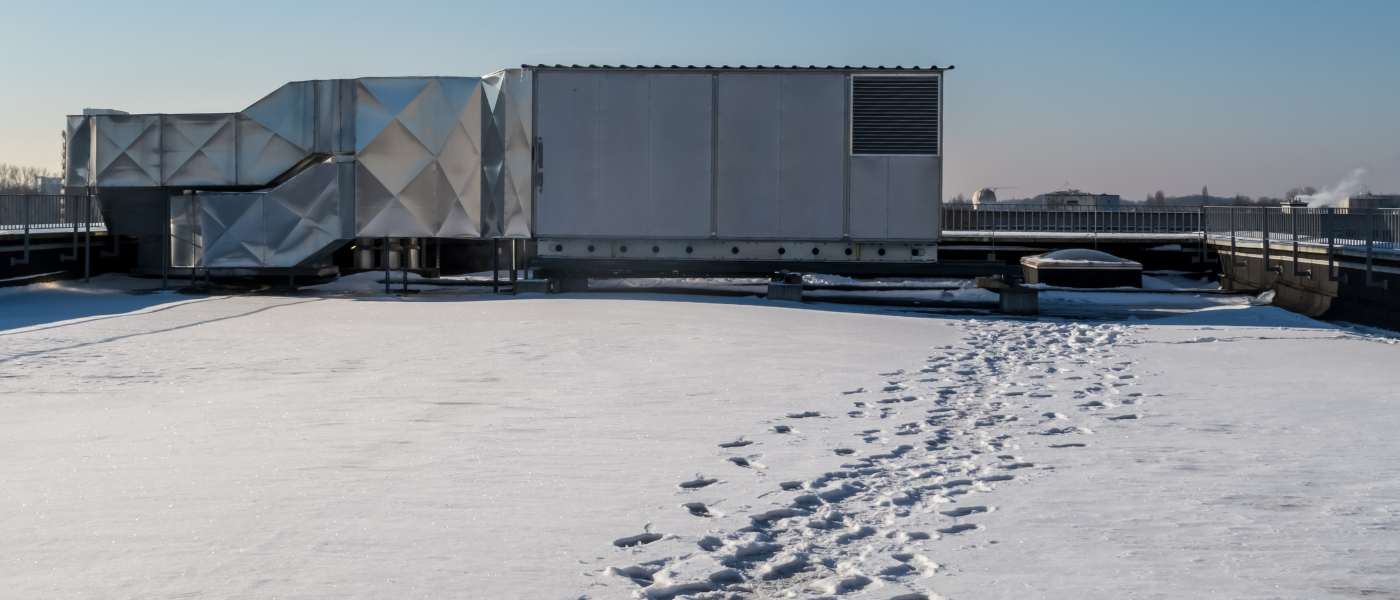
The Importance of Snow Load Management for Chicagoland Commercial Roofs
In winter 2024-2025, Chicago received 22 inches of snow, with one storm dumping 7 inches across the region. That’s enough snow to damage commercial roofs across the region.
Two feet of snow can weigh as much as 27.5 pounds per square foot, and depending on your roof type, that load may be enough to cause your roof to collapse or leak into your interior.
Ice dams and snow loads are the main winter threats to commercial roofs. Every building owner and property manager should understand snow loads, how they affect your commercial roof, and how to limit damage.
What is Snow Load?
Snow load is the downward force snow and ice exert on a building’s roof. In simple terms, snow and ice weigh a lot, and the snow load represents how much weight your roof can handle.
Areas with heavy snowfall, like the Chicagoland region, require structural engineers and commercial roofers to work together to protect roofs’ longevity and integrity.
Snow weight depends on its type: fresh snow may weigh as little as 3 lbs per cubic foot, while wet snow can weigh as much as 43 lbs.
Your commercial roof needs to be prepared for either scenario.
Risks of Snow Load on Your Commercial Roof
Snow lies unevenly on a commercial roof, meaning that different parts of the roof carry different loads. As a result, areas with more snow are more likely to experience structural failures.
This is common for flat roofs with parapets, stepped roofs, saw-tooth roofs, and roofs with obstructions, such as equipment or chimneys.
Ignoring the snow load puts your commercial roof and building at risk.
For structural reasons, snow load increases the risk of roof collapse and ice dams.
The more snow on your roof, the more pressure it puts on it. If not properly maintained, your commercial roof could collapse under the weight. If snow drifts form on your roof, the pressure becomes unevenly distributed, making the situation worse.
Ice dams form when snow melts and refreezes at your roof’s eaves, blocking drainage. With your drainage systems compromised, water is likely to leak into your building.
They also create safety hazards. Falling debris, ice, or anything coming off the top of your roof and onto the ground is a serious concern.
Fixing a structural problem or replacing your commercial roof is expensive, especially in the colder months. You’ll also have to deal with displaced occupants.
Your best bet is to contact a commercial roofing company immediately to prevent snow load damage and costly repairs.
Snow Loads are a Budget Problem
While everyone understands that snow loads can cause structural damage, what often goes under-reported is that they are also a budget problem.
Commercial building owners and safety managers typically budget for unexpected expenses every year. But when snow causes massive leaks and damage, those budgets get spent quickly.
That’s why it’s even more important to work with a commercial roofing company for regular maintenance checks and repairs, spreading costs out instead of facing one massive roof replacement bill.
Insured losses keep rising as weather across the country grows more unpredictable, so if you haven’t already scheduled a checkup with a commercial roofing company, do it before finalizing next year’s budget.
How Do You Manage Snow Load?
The best defense against snow load is working with a commercial roofing company year-round for maintenance, inspections, and repairs. You don’t know when snow will fall, so you need to have your commercial roof ready for it
Ridgeworth Roofing recommends routine assessments, including maintenance and inspections. Our team can identify potential problems before they become dangerous (and expensive) and monitor snow accumulations. The main goal is prevention.
When removing snow, we do not recommend going onto your roof to do it yourself. Slippery conditions and windy weather lead to unnecessary injuries (and even possibly fatalities). Professional snow removal services have the tools to protect themselves while removing the snow from your commercial roof.
Your commercial roofing installer should also choose the right materials for your building’s climate and weather environment. Different materials perform better in cold, snowy conditions, so make sure your builder takes this into account.
No matter what, please don’t climb on your roof yourself.
Ridgeworth Roofing’s Role in Snow Load Management
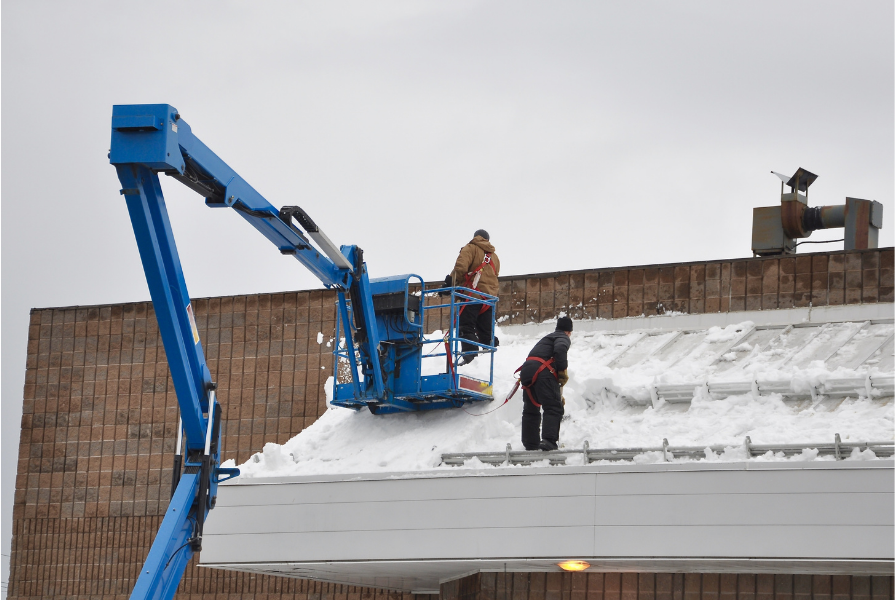
With more than 50 years of commercial roofing experience in the Chicagoland area, Ridgeworth Roofing is prepared for anything Mother Nature throws our way. We’ve seen it all, from winter blizzards to extremely hot summers.
Because of this, we offer services designed specifically to protect and maintain commercial roofs throughout the seasons in Chicagoland.
We offer regular inspections, during which a team member checks your commercial roof for potential problems and offers solutions to limit further or future damage. Ridgeworth Roofing’s maintenance plans give you confidence that your commercial roof is in the right hands, with everything working exactly as it should.
Do you need help in a pinch? Ridgeworth Roofing delivers emergency roof repairs for pesky, unexpected issues caused by Chicago’s weather.
If you need a commercial roof replacement, Ridgeworth Roofing brings 50 years of expertise to meet Chicagoland’s specific weather requirements.
Protect Your Commercial Roof This Winter with Ridgeworth Roofing
Don’t let Chicago’s harsh winters take a toll on your commercial roof.
With Ridgeworth Roofing’s preventative maintenance programs, emergency repair services, and customized roofing solutions, you can protect your property from snow-load risks.
Contact Ridgeworth Roofing today to schedule an inspection or learn more about our services. Contact us today to get started.
